
Some of the most serious plumbing issues arise in locations that homeowners almost never check, and water leaks are not always obvious. Water may be released gradually from pipes that are concealed underground, within walls, or under floors without showing any visible warning signals. Moisture may have already impacted a number of building elements by the time wet patches or structural problems show up. The way plumbing experts look into these issues has changed thanks to modern leak detection equipment, which enables them to find possible breakdowns more precisely and with less needless interruption.
Recognizing Conventional Leak Detection’s Limitations
In order to find broken pipes, traditional leak detection often depended on physical examination, observable evidence, and uncovering parts of walls or floors. These techniques are still helpful in certain circumstances, but when the source of moisture is hard to pinpoint, they may become costly and disruptive.
For instance, a water stain on a ceiling does not always mean that the leaky pipe is exactly above it. Before becoming apparent, water may pass through insulation, frame, and other structural surfaces. Accurate diagnosis is difficult without specialist equipment because of this mobility.
Before suggesting intrusive repairs, plumbers might look into hidden places with the use of contemporary detection techniques. Technicians who combine cutting-edge technology with hands-on experience in domestic plumbing systems might be beneficial to homeowners looking for Water Leak Repair Houston services.
Acoustic Leak Identification For Undiscovered Pipe Issues
The noises made when pressurized water escapes via broken plumbing components are detected by acoustic leak detection devices. Vibrations that could be hard or impossible to hear without specific equipment are amplified by sensitive microphones and electronic listening devices.
This device is very helpful in finding leaks in subterranean water supply lines, inside walls, and under concrete surfaces. To pinpoint the site of a suspected leak, technicians examine sound patterns.
However, the accuracy of detection might be affected by water pressure, pipe materials, and background noise. Rather than depending just on sound, skilled personnel analyze equipment results in conjunction with other inspection findings.
Thermal Imaging And Variations In Temperature
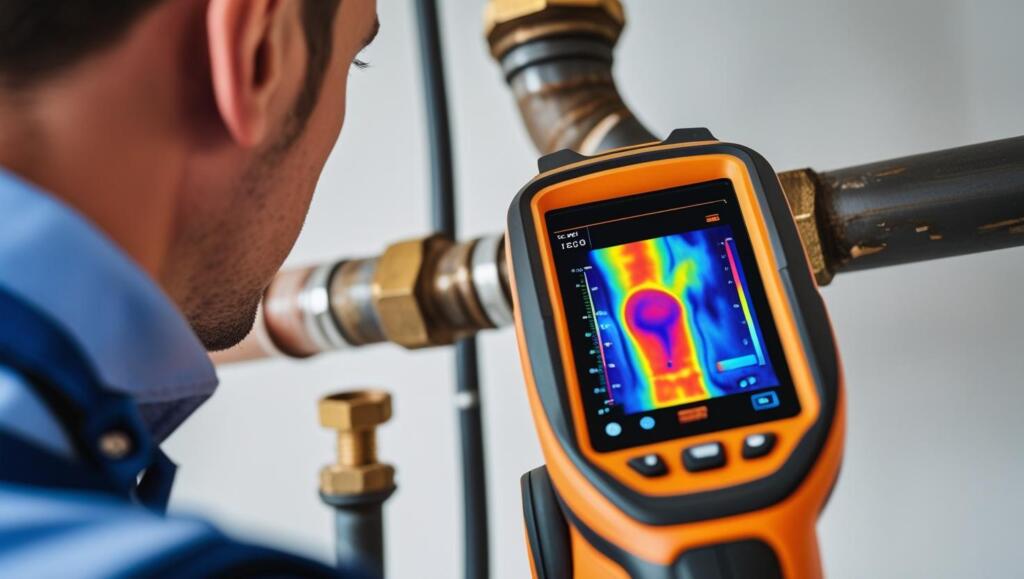
Another useful method for spotting hidden moisture issues is thermal imaging cameras. These gadgets show changes in surface temperature that might be signs of water moving under floors or behind walls.
Thermal imaging may identify patterns that warrant further research when water leaks alter the temperature of nearby items. When inspecting hot water supply pipes or locations where moisture influences surface temperatures, the method may be very useful.
Crucially, thermal cameras are unable to detect water or look through walls directly. Professional interpretation and further testing are needed to validate their results.
During the inspection process, this mix of technical know-how and technology helps minimize needless harm.
Intelligent Water Monitoring Systems For Ongoing Defense
Smart water monitoring devices are becoming a more common component of modern domestic plumbing protection. These systems monitor water use and spot anomalous flow patterns that can point to unexpected water use, broken supply lines, or leaky fixtures.
When suspicious behavior takes place, some monitoring systems link to mobile apps and issue alerts. More sophisticated types could include automated shutdown valves that cut off the water supply when certain leak conditions are detected.
These elements may provide extra protection against uncontrolled water loss for homeowners who travel regularly or leave their houses uninhabited for long periods of time.
However, not all plumbing problems may be avoided by intelligent monitoring devices. To detect corrosion, weakening connections, and other emerging issues, regular maintenance and expert inspections are still required.
Moisture Meters And Precise Damage Evaluation
One aspect of safeguarding a residential property is locating a leaky pipe. Plumbing experts must also ascertain if moisture has been absorbed by nearby items.
Moisture meters are useful for assessing the state of wood, drywall, and other construction materials. Surface scanning or direct contact probes may be used to gather readings, depending on the device.
Decisions on drying, repair, or material replacement are supported by these data, which aid in identifying impacted areas. Determining if moisture levels are decreasing after repairs may also be done with repeated monitoring.
Conclusion
Homeowners now have a more accurate method to look into hidden plumbing issues thanks to modern leak-detecting technologies. Moisture meters, sophisticated monitoring systems, thermal imaging cameras, and acoustic sensors all provide unique information regarding possible leaks and water damage.
Homeowners may make more informed choices regarding repairs and preventative maintenance when these tools are combined with expert knowledge. Early detection of plumbing flaws may help residential homes stay safe and functioning for many years, minimize water wastage, and save construction materials.